Native American Skull Logo Design Review
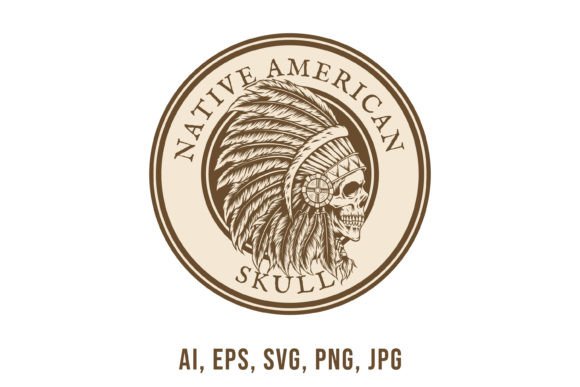
When I first pulled Native American Skull Logo Design onto my digitizing screen, I didn’t just see a graphic; I saw a potential bestseller for the right market. As a designer who reviews embroidery files daily, I look past the initial visual impact to ask: will this hold up in a hoop? Will it translate well into thread? And most importantly, does it have the commercial viability that Etsy sellers and boutique owners crave?
This file falls squarely into the Crafts and Graphics categories, but its application goes far beyond simple decoration. It carries a heavy, symbolic weight. The imagery—blending indigenous motifs with skull iconography—creates a mood that is both respectful of heritage and edgy enough for modern streetwear or alternative fashion markets. My goal here is to break down how this design performs in real-world scenarios, from custom apparel to personalized gifts, so you can decide if it fits your next project.
First Impressions and Visual Personality
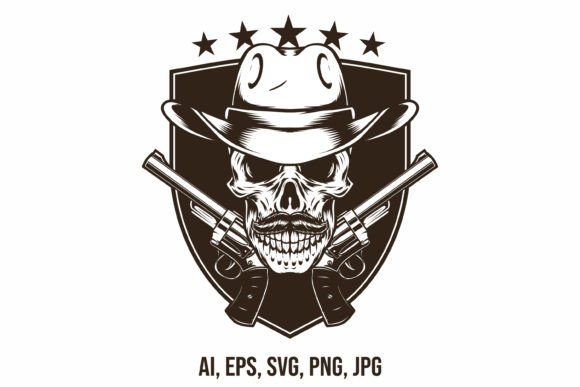
The immediate draw of this design is its bold isolation. Because the source tags indicate an isolated vector (ai, eps, svg), the core shape is clean and distinct. In embroidery terms, "isolated" is a dream because it means fewer complex background elements to stitch out, allowing the primary motif to breathe. The visual personality is striking. It isn’t subtle. It commands attention.
For a machine embroidery design, this clarity is crucial. When translating this to thread, the strong lines suggest that a combination of satin stitch for outlines and fill stitch for internal details would render beautifully. The theme resonates with audiences interested in tattoo art styles, apache symbolism, and general american iconography. It feels like a design meant to be worn on the chest of a leather jacket or centered on the back of a heavyweight hoodie. It has that "statement piece" energy that drives engagement on social media platforms where visual commerce thrives.
Real-World Application: Where This Design Shines
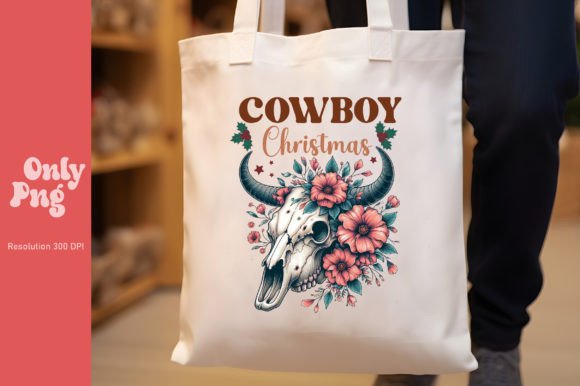
I recently considered using this layout for a batch of custom embroidered tote bags intended for a local craft fair. The contrast of a dark canvas bag with a crisp, high-contrast version of the Native American Skull Logo Design would pop instantly. However, this file’s versatility extends much further than accessories.
- Custom Apparel: This is arguably the strongest use case. Whether applied to a unisex t-shirt or a premium sweatshirt, the design’s symmetry and central focus work perfectly. It appeals to the demographic looking for custom apparel that tells a story without being overly literal.
- Embroidered Patches: Given the isolated nature of the artwork, converting this into a patch is a natural progression. A denim patch for a backpack or a cap adds texture and durability. The sharp edges of the skull motif lend themselves well to the dense stitching required for patch borders.
- Boutique Branding: For small shop owners selling handmade goods, this design could serve as a unique logo mark. Imagine it stitched onto the tag of a handmade leather wallet or the cuff of a hand-knit scarf. It elevates the perceived value of the handmade product.
- Holiday and Gift Markets: While not traditional, this design finds a home in niche gift-giving occasions. Think Halloween decor, biker-themed wedding favors, or personalized gifts for someone with a specific interest in native american history or tattoo culture. It works as a personalized gift for those who appreciate darker, more artistic aesthetics.
Technical Considerations and Fabric Choices
No design is perfect for every fabric, and understanding the limitations of Native American Skull Logo Design is key to avoiding customer returns or dissatisfaction. Here is what I observed regarding its performance across different materials.
Stitch Density and Detail: If the digital file contains intricate line work within the skull, you must ensure your machine can handle the density. Fine details can become muddy if the stitch density is too low or if the thread tension is off. Always test the design on scrap fabric first. Pay close attention to any small geometric patterns that might represent feathers or tribal markings; these need to be clear enough to read from a distance.
Fabric Texture and Stability: This design looks fantastic on stable, woven fabrics like cotton twill, denim, or canvas. These materials provide the necessary support for the stabilizer to prevent puckering. However, exercise caution with stretchy knits or highly textured fabrics like chunky wool. On stretchy material, the circular or symmetrical elements of the skull may distort unless you use a cut-away stabilizer and hooping techniques designed for knits.
Color Contrast: The tags mention red, white, and black themes. In embroidery, color choice is 50% of the battle. A white skull on a black hat will look sharp and professional. Conversely, a red design on a dark navy shirt might get lost unless you use a bright, metallic red thread. I recommend creating a printable mockup or running a quick test stitch in black and white to check the silhouette before committing to expensive specialty threads.
Where to Use With Caution
There are specific scenarios where this design might struggle. Avoid placing this on extremely small hoop sizes. If the design is scaled down too much, the "skull" aspect may lose its definition, turning into an abstract blob. Similarly, avoid using this on curved surfaces like baseball caps unless you have a specialized cap frame and have pre-tested the distortion. The front panel of a cap curves significantly, and fine details in the center of the design can stretch out of proportion.
Also, consider the end-user environment. If the finished product is a baby item or a kitchen towel that will undergo frequent, high-heat washing, ensure the thread quality is top-tier. Standard polyester thread is usually sufficient, but rayon, while shiny and attractive, can pill or fade faster over time. For durable commercial embroidery items, stick to high-grade polyester threads.
Commercial Viability and Buyer Engagement
For the Etsy seller or craft business owner, the question is always: will this sell? The answer is yes, but with targeted marketing. This isn't a generic floral pattern; it’s a thematic statement. Buyers looking for this design are likely seeking something unique, culturally resonant, or artistically bold.
When listing this as a digital embroidery file or a physical finished product, your presentation matters. Show the design on a variety of backgrounds. Demonstrate how it looks on a light-colored apron versus a dark denim jacket. Highlight the precision of the stitches. Trust is built when customers see that the design translates cleanly from screen to fabric.
Furthermore, be mindful of licensing. Even though the file includes multiple formats (png, jpg, ai, etc.), always verify the commercial use rights. Some creators allow unlimited commercial use, while others restrict the number of physical items you can sell. Clarifying this protects your small shop product line from legal issues and builds trust with your audience by being transparent about your assets.
Final Verdict
Native American Skull Logo Design is a robust, visually arresting asset that offers significant potential for designers willing to experiment with placement and fabric choices. It bridges the gap between traditional cultural art and modern graphic design, making it a versatile tool for embroidery projects ranging from personal hobbies to large-scale commercial embroidery orders.
If you are an experienced embroiderer, you know that the devil is in the details. Test the hoop size, check your thread colors, and respect the fabric’s grain. Do that, and this design will not only look good—it will perform. It is a strong addition to any library of design assets aimed at creating memorable, high-quality embroidered patches, tote bag designs, or standout sweatshirt embroidery pieces.