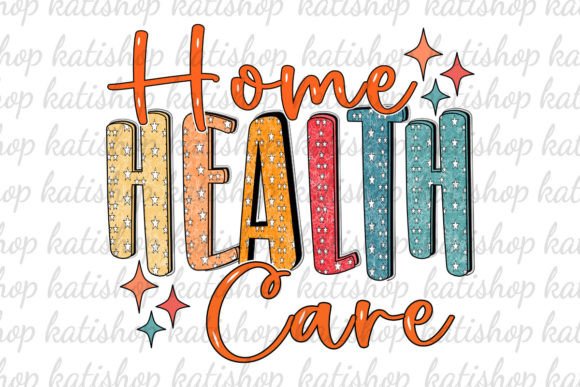
Home Health Care Western Sublimation Review
As a designer who spends more time than I care to admit staring at stitch lines and debating thread contrast, I approach every new digital asset with a healthy dose of skepticism. The market is flooded with generic clipart masquerading as professional embroidery files. That is why when I first pulled up Home Health Care Western Sublimation, I didn’t just look at the preview image; I looked at how it would translate from a flat PNG into a tactile, stitched reality. This review breaks down exactly where this design fits in your workflow, whether it belongs on a boutique sweatshirt or a simple kitchen towel, and what practical hurdles you might face before hitting the start button on your machine.
First Impressions: Mood and Visual Personality
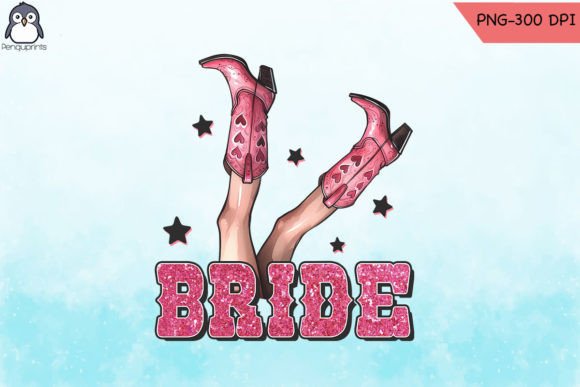
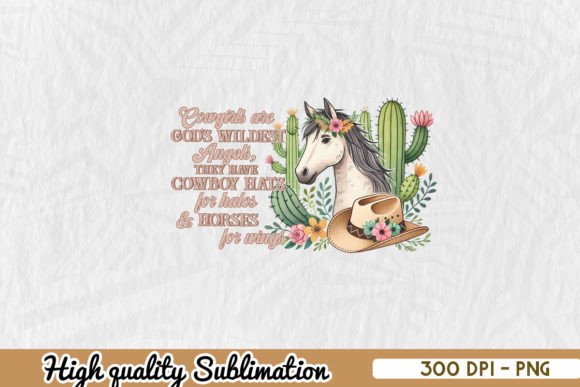
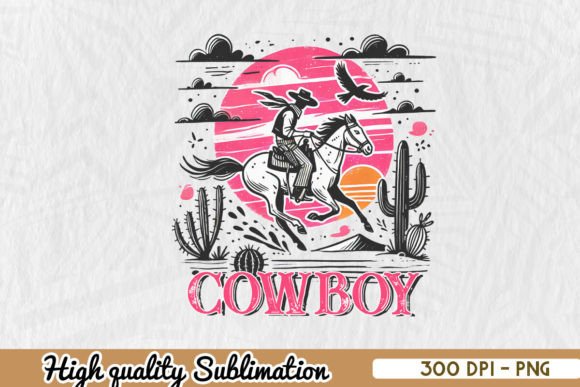
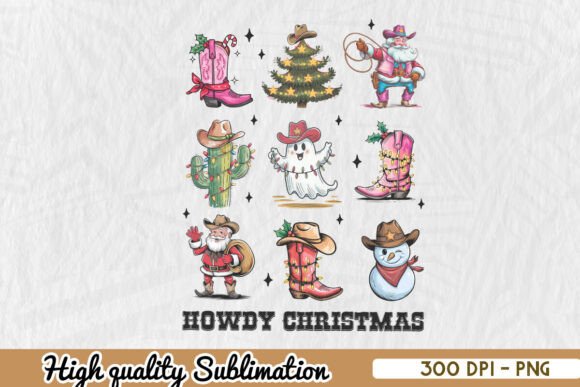
The moment you open the file, the aesthetic speaks loudly without shouting. The "Western" theme combined with the "Home Health Care" concept creates a specific niche appeal that feels both rustic and comforting. It isn’t trying to be high-fashion modern embroidery; rather, it leans into the cozy, heartfelt vibe that dominates the handmade gift market right now. The layout suggests a balanced composition that works well for chest placements on apparel or centered focal points on home decor items.
What stands out immediately is the visual clarity. In a sea of overly detailed designs that turn into muddy blobs after three washes, this design maintains a clean silhouette. The mood is warm and inviting, which is crucial for its target audience. It feels appropriate for someone who values tradition, comfort, and the nurturing aspect of caregiving. For an Etsy seller or craft fair vendor, this kind of emotional resonance is often what converts a browser into a buyer. It doesn’t just say "nurse"; it says "caring for your home," which broadens its appeal beyond just medical professionals to family caregivers and retired nurses alike.
Real-World Application: Where Does It Shine?
I tested the mental model of this design against several common embroidery project scenarios. Here is where Home Health Care Western Sublimation truly excels:
- Custom Apparel for Caregivers: This is the strongest use case. Imagine a soft, heather-gray crewneck sweatshirt with this design stitched on the left chest. The western motif adds a touch of personality that breaks away from the sterile look of standard medical scrubs. It works beautifully for custom apparel intended as gifts for Mother’s Day, birthdays, or retirement parties.
- Tote Bag Designs: Canvas tote bags are a staple for any craft business. The sturdy fabric provides a perfect neutral background for the design’s colors. Whether used by a home health aide for carrying supplies or as a promotional item for a small clinic, the durability of the canvas complements the straightforward nature of the graphic.
- Kitchen Towels and Aprons: There is a growing trend toward "farmhouse chic" in the kitchen. Placing this design on a flour-sack tea towel or a denim apron bridges the gap between utility and decoration. It transforms a mundane household item into a personalized gift that acknowledges the hard work of keeping a home running.
- Baby Embroidery and Nursery Decor: While the theme is adult-oriented, the western aesthetic is popular in nursery themes. If adapted correctly, smaller versions could work on burp cloths or bibs for children of healthcare workers, adding a sentimental layer to baby embroidery projects.
Technical Considerations and Stitch Execution
Translating a 300DPI PNG into an embroidery file requires careful digitizing judgment. Even if the source is sublimation-ready, the final stitched result depends entirely on how the stitch density and fill stitch areas are handled. When evaluating Home Health Care Western Sublimation, keep these technical realities in mind:
Stitch Density and Fabric Texture: If the design includes large solid color blocks, ensure the digitizer has optimized the underlay stitches. On textured fabrics like heavy cotton canvas or fleece, high-density fills can pucker. Always test on scrap fabric that matches the weight and texture of your final product. A design that looks crisp on paper may lose definition on a nubby wool blend.
Satin Stitch Clarity: Borders and lettering rely heavily on satin stitch quality. If the original digitization uses long single runs without sufficient tie-ins, the design may unravel or look messy. Check that the curves in the western elements are smooth and not jagged. Poorly executed satin stitches can make a professional-looking design appear amateurish, hurting customer trust in your handmade products.
Hoop Size Constraints: Before committing to a production run, confirm the hoop size required. Large, intricate designs can be tedious to hoop and re-hoop. If the design spans multiple hoops, consider whether the alignment will hold up over time, especially on stretchy knit fabrics like t-shirts. For commercial embroidery efficiency, simpler layouts that fit within a single standard hoop (like 4x4 or 5x7) are often preferred to reduce labor costs.
Pitfalls to Avoid: Where Caution Is Needed
Not every surface is created equal. There are specific scenarios where using Home Health Care Western Sublimation might lead to frustration:
- Small Hoop Sizes: Trying to cram a detailed western scene into a tiny 2x2 hoop will result in lost details. Fine lines may disappear, and text may become unreadable. Reserve this design for larger placement areas.
- Stretchy or Thin Fabrics: Knits like jersey or thin polyester blends require stabilizers to prevent distortion. Without proper support, the tension of the threads can cause the fabric to pucker significantly around the edges of the design.
- Dense Stitch Areas on Curved Surfaces: Applying this to curved surfaces like caps or hats requires careful angle adjustment. Flat designs often look distorted when wrapped around a curve. Ensure the digitizing software allows for cap-specific adjustments to maintain the integrity of the western shapes.
- Dark Fabrics Without Proper Underlay: If stitching light-colored threads onto dark fabric, ensure the underlay is dense enough to prevent the dark fabric from showing through the top stitches. This is critical for maintaining the brightness of the thread colors.
Business Value and Brand Consistency
For Etsy sellers and small shop owners, the value of a design extends beyond its appearance. It’s about brand consistency and perceived value. Home Health Care Western Sublimation offers a cohesive look that aligns well with boutique branding. It signals that you understand your customer’s desire for something unique and meaningful, rather than mass-produced generic merchandise.
When creating printable mockups or listing photos, this design photographs well because of its clear lines and thematic strength. It helps tell a story. Customers don’t just buy an embroidered patch; they buy the sentiment behind it. By ensuring your finished product reflects the quality of the original design—through proper stabilizer usage and precise trimming—you reinforce professionalism and encourage repeat business.
Final Designer Verdict
Home Health Care Western Sublimation is a versatile, emotionally resonant asset that fits comfortably into the current landscape of handmade goods. It succeeds because it balances thematic specificity with broad appeal. However, success lies in the execution. As a designer, my advice is to treat this not just as a graphic, but as a structural component of your product. Test it thoroughly, respect the limits of your materials, and always prioritize stitch quality over speed.
If you are looking to expand your catalog with items that feel personal, durable, and stylish, this design is a strong contender. Just remember to check the licensing terms before selling finished items, and always inspect the small details during your initial test runs. In the world of digital embroidery files, attention to detail is what separates a hobbyist from a pro.