Cowboy Embroidery Design Review
When I’m scouting for a new digital asset to add to my studio’s library, I don’t just look at the preview image. I think about how it will translate from a flat screen into thread on fabric. That is the moment of truth for any embroidery project. Recently, I pulled up a file labeled Cowboy Svg,eps,png,clipart,sublimation to see if it had the grit and grace required for real-world application. As an experienced designer who regularly produces goods for small businesses and personal clients, I needed to know: does this design hold up in the hoop?
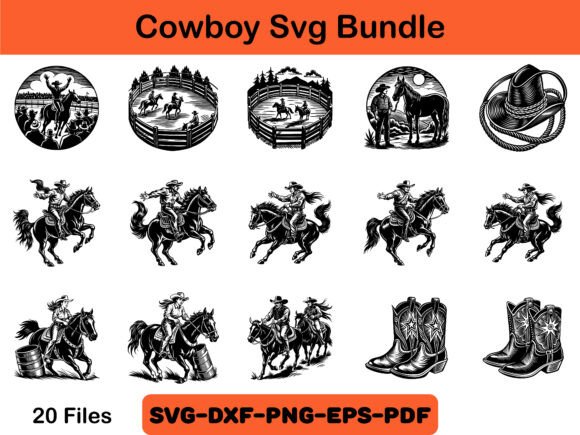
The product falls under the broad categories of Illustrations and Graphics, which tells me immediately that versatility is its selling point. It comes in a single ZIP folder containing one SVG file and one PNG file, sized at 12×12 inches with a resolution of 300 dpi. While these technical specs are standard for modern digital craft files, my job is to evaluate the artistic merit and practical utility of the visual itself. Here is my honest breakdown of how this machine embroidery design performs when moved from the computer to the needle.
First Impressions and Visual Personality
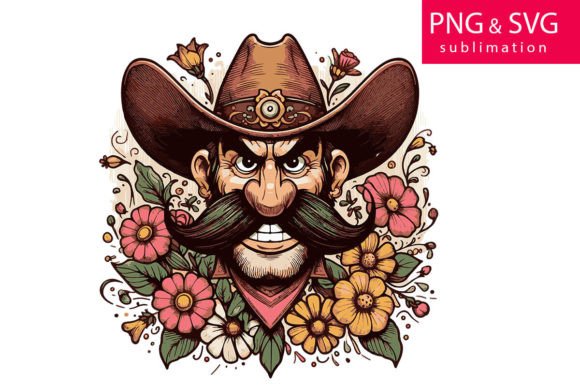
The first thing you notice with this cowboy svg is the boldness of the silhouette. In the world of handmade products, especially those destined for Etsy listings or craft fair booths, you have about three seconds to grab attention. This design delivers. The layout feels classic yet accessible, tapping into the enduring appeal of Western aesthetics without feeling overly cluttered. It creates a mood that is rugged but friendly—perfect for a wide range of audiences, from hardcore rodeo fans to parents looking for unique nursery decor.
As a graphic element, it translates well across mediums. The PNG included ensures you have a high-resolution raster image for sublimation printing or quick mockups, while the SVG provides the vector scalability needed for precise cutting or digitizing adjustments. The 12×12 inch canvas gives ample breathing room, allowing the design to breathe without feeling cramped. It has a strong visual personality that suggests adventure, tradition, and a touch of nostalgia. For a small business owner, this kind of recognizable theme reduces the marketing burden; the subject matter speaks for itself.
Real-World Application: From Screen to Stitch
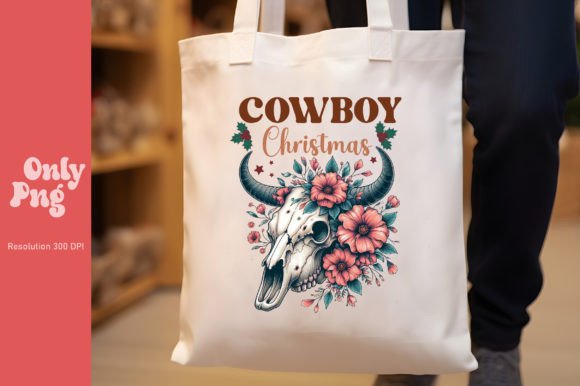
I tested the concept of this design against several common custom apparel scenarios to see where it fits best. The most immediate thought was a custom embroidered tote bag. A cowboy motif on a sturdy canvas tote is a staple of the craft business world. Because the design is clean and distinct, it would stitch out beautifully as a focal point on the front panel of a bag. It adds value to what might otherwise be a plain accessory, turning it into a statement piece.
Another strong candidate is sweatshirt embroidery. There is something inherently cozy and rustic about Western themes on fleece or cotton blends. If you are creating personalized gifts for birthdays or holidays, placing this design on the chest of a unisex sweatshirt offers a professional finish. It works equally well for baby embroidery projects, such as onesies or burp cloths, where the charm of the character appeals to new parents looking for something beyond generic animals or stars.
For the Etsy seller or digital product creator, this design is a powerhouse. It can serve as the basis for an embroidered patch line, or even as a template for printable mockups. The clarity of the lines means it looks sharp whether it is being viewed on a mobile phone thumbnail or printed large on a banner. It bridges the gap between a simple clipart and a fully realized design asset, making it highly adaptable for various finished product types.
Where to Exercise Caution
No design is perfect for every situation, and knowing the limitations is what separates a pro from a hobbyist. With this cowboy svg, there are specific areas where you need to be careful. First, consider the hoop size. While the source file is 12x12, your actual stitching area might vary depending on how you scale it. If you attempt to fit intricate details into a very small hoop, you risk losing definition. Always test the design on scrap fabric first to ensure the smallest elements remain visible after stitching.
Fabric choice is critical. Textured fabrics, like heavy denim or boucle wool, can obscure fine details. Thin or stretchy fabrics require proper stabilization to prevent puckering, which could distort the cowboy shape. I also advise caution when working with dark fabrics unless you plan to use a substantial amount of white or light-colored thread for underlay or highlights. Without proper contrast, the design may get lost in the background. Furthermore, avoid placing complex versions of this design on curved surfaces like caps if you are not confident in your tension settings; curvature can stretch the fabric and warp the intended geometry of the illustration.
Impact on Brand and Customer Trust
In the commercial embroidery market, professionalism is key. Using a clean, well-proportioned design like this one signals quality to your customers. When a buyer receives a handmade product with crisp edges and balanced composition, their trust in your brand increases. They perceive the item as a premium gift rather than a rushed DIY project. This design supports that perception by offering a polished look that holds up under scrutiny.
It also enhances brand consistency. If you are building a boutique brand around Western or rustic themes, having a versatile core design allows you to create a cohesive collection. You can apply it to aprons, pillow covers, tea towels, and blankets, knowing that the visual language remains consistent. This recognition factor is invaluable for repeat customers who come back because they love the aesthetic.
Practical Designer Notes for Success
To get the best results from this digital embroidery file, I recommend following a few practical steps before committing to your final piece. Start by reviewing the stitch density. Even though this is a vector-based SVG, the way it converts to stitches matters. Ensure that the fill stitch areas are not too dense, which can cause bulkiness, or too sparse, which can show the fabric underneath. Check the satin stitch borders to make sure they are tight enough to cover the edge cleanly.
Thread color selection plays a huge role in the final impact. Experiment with different thread colors to see how they interact with your chosen fabric. A black cowboy on a khaki hat tells a different story than a tan cowboy on a navy blue shirt. Don’t forget to inspect small details closely; sometimes, scaling down can merge two distinct lines into one blob. Use a black and white mockup to check contrast levels early in the process.
Finally, always confirm licensing terms. While the file includes an SVG and PNG suitable for Cricut Design Space and Silhouette software, verify whether you have commercial rights to sell finished items made with this design. This protects your creative entrepreneur business from legal issues down the line. By taking the time to test, adjust, and understand the nuances of this design, you ensure that your embroidery project meets the high standards your customers expect.