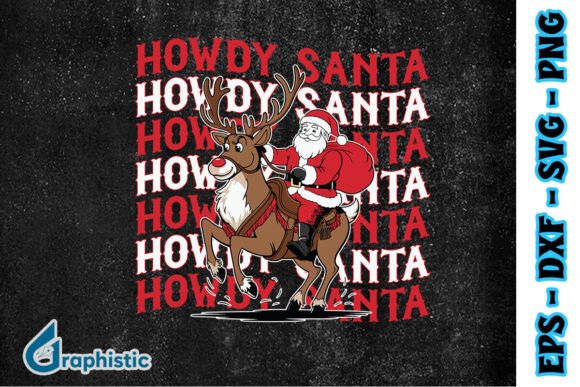
Christmas Howdy Cowboy Santa Western SVG
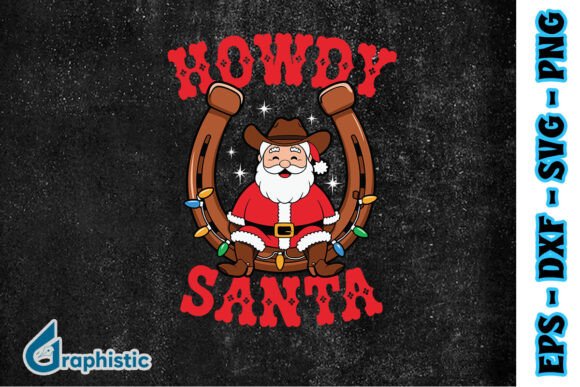
As a designer who spends more time than I care to admit staring at stitch density charts and debating thread color palettes, I approach every new digital embroidery file with a healthy dose of skepticism. The market is saturated with clip art that looks charming on screen but falls apart under the needle. However, when I first pulled up the Christmas Howdy Cowboy Santa Western SVG, I paused. It wasn’t just another generic holiday graphic; it had a specific personality that immediately suggested where it belonged in a production workflow.
This isn’t just about aesthetics; it’s about viability for your craft business. Whether you are an Etsy seller, a boutique owner, or a hobbyist looking to create the perfect personalized gift, understanding how a design translates from vector to fabric is crucial. Here is my practical breakdown of how this machine embroidery design holds up in real-world applications.
The First Impression: Mood and Visual Personality
The moment you see the layout, the "Western" theme is unmistakable without being cliché. The design leverages a friendly, rugged aesthetic that bridges the gap between traditional Christmas cheer and rustic Americana. For a designer, this is a sweet spot. It appeals to a broad demographic—from families who love ranch life to anyone looking for something unique beyond the standard reindeer or snowman motifs.
Visually, the shape is clean. In embroidery, complexity can be the enemy of clarity. If a design has too many tiny, intricate details, it risks turning into a muddy mess after stitching, especially if the client chooses lower-quality thread. This design strikes a balance. It feels substantial enough to hold its own on a heavy garment but simple enough to remain legible from a distance. The visual weight suggests it will look excellent as an embroidered patch or centered on a chest area, creating a focal point that draws the eye without overwhelming the wearer.
Real-World Application: Where This Design Shines
I’ve been thinking through potential products where this embroidery project would truly sing. Let’s look at a few scenarios based on current trends in handmade merchandise.
- Holiday Sweatshirts and T-Shirts: This is the most obvious application. Imagine this design stitched onto a cream-colored or heather gray crewneck sweatshirt. The contrast between the warm tones of the cowboy hat and the festive reds/greens (depending on your thread colors) creates a cozy, inviting vibe. It works particularly well for family matching sets during holiday gatherings.
- Custom Tote Bags: A canvas tote bag is a staple for any small shop product. Because this design likely utilizes a mix of satin stitch for outlines and fill stitch for larger areas, it adds texture and perceived value to a basic tote. It transforms a $5 blank bag into a $25+ boutique item.
- Baby Embroidery Items: Think onesies, burp cloths, or small bibs. The "Howdy" greeting is playful and gentle, making it suitable for baby showers or newborn gifts. On soft cotton blends, the design remains crisp, provided you use the right stabilizer.
- Kitchen Towels and Aprons: For the homebody who loves to cook, a tea towel featuring this western Santa adds a touch of whimsy. It’s a great impulse buy at craft fairs or as an add-on item in an online store.
In each of these cases, the design acts as a conversation starter. It signals that the maker put thought into the theme. For an Etsy seller, this kind of thematic cohesion helps build brand consistency. When customers see your shop is filled with high-quality, well-thought-out designs like this one, trust increases, and buyer engagement follows.
Technical Considerations and Stitch Clarity
Before you commit this to a full production run, we need to talk about execution. Even the best design assets can fail if the technical setup is ignored. The Christmas Howdy Cowboy Santa Western SVG includes PNG and DXF files, which is convenient for pre-sizing, but you must verify the stitch data within your embroidery software.
Stitch Density is paramount. Western themes often involve thick hats, boots, or text. Ensure the fill stitches aren’t so dense that they warp the fabric, especially if you are working with lightweight materials. Conversely, if the stitches are too sparse, the fabric may show through, ruining the professional finish. I always recommend testing the design on scrap fabric first to check the tension and coverage.
Another critical factor is the hoop size. While the file is pre-sized, you need to ensure your chosen garment fits comfortably within your machine’s hoop without distorting the weave. Stretchy fabrics, like certain jersey knits used in t-shirts, require careful stabilization to prevent puckering around the curved edges of the cowboy hat or Santa’s beard.
Where to Use Caution
No design is universal, and there are specific scenarios where this graphics file might struggle. Here is where you should proceed with caution:
- Small Hoop Sizes: If you are attempting to digitize or scale this down significantly for a tiny location, such as the cuff of a sock or a very small pocket, details may be lost. Fine lines in the text or facial features might merge together.
- Textured or Thick Fabrics: While denim and canvas are great, highly textured fabrics like bouclé or thick fleece can hide the definition of the running stitch accents. The design relies on clear lines to read correctly.
- Dense Stitch Areas on Curved Surfaces: Applying this to a curved surface like a baseball cap requires precision. If the design is too wide or the stitch count too high, it may not lay flat against the curve, leading to discomfort for the wearer.
- Dark Fabrics Without Underlay: If stitching directly onto dark fabric, ensure your software generates a proper underlay. Without it, the bright thread colors might bleed or look dull against the dark background.
Practical Designer Notes for Success
To get the most out of this print templates resource, follow these steps before finalizing your finished product:
- Test on Scrap Fabric: Always run a test stitch-out. Check for thread breaks, tension issues, and overall appearance.
- Check Thread Contrast: Review your thread colors against your fabric choice. Light threads on dark fabric require higher quality, opaque polyester threads to avoid a washed-out look.
- Use Proper Stabilizer: The type of stabilizer (cut-away vs. tear-away) depends on the fabric. For stretchy garments, a cut-away stabilizer provides necessary support.
- Inspect Small Details: Zoom in on the digital file. Are the letters sharp? Is the cowboy hat brim distinct? If the source file is blurry, your embroidery will be too.
- Confirm Licensing: Before listing this on Etsy or selling finished items, double-check the commercial use rights. Some SVG files have restrictions on how many finished goods you can sell.
Final Verdict
The Christmas Howdy Cowboy Santa Western SVG is a strong addition to any designer’s library for the holiday season. It offers a fresh take on Christmas imagery that resonates with a specific, loyal audience. It is versatile enough for apparel, accessories, and home decor, making it a valuable asset for commercial embroidery projects.
By paying attention to stitch density, fabric choice, and stabilization, you can transform this digital file into a tangible, high-value product that customers will love. It’s not just a design; it’s a tool for creating memorable, handmade experiences. If you are looking to expand your catalog with seasonal items that stand out from the crowd, this is a smart, practical choice.